
HIV/AIDS Targeted Intervention
The HIV/AIDS Targeted Intervention Programme, conducted by the Tharu Janjati Mahila Vikas Samiti in collaboration with the U.P. State AIDS Control Society, made a significant impact on the Bahraich and Gonda districts from 2011 to 2019.
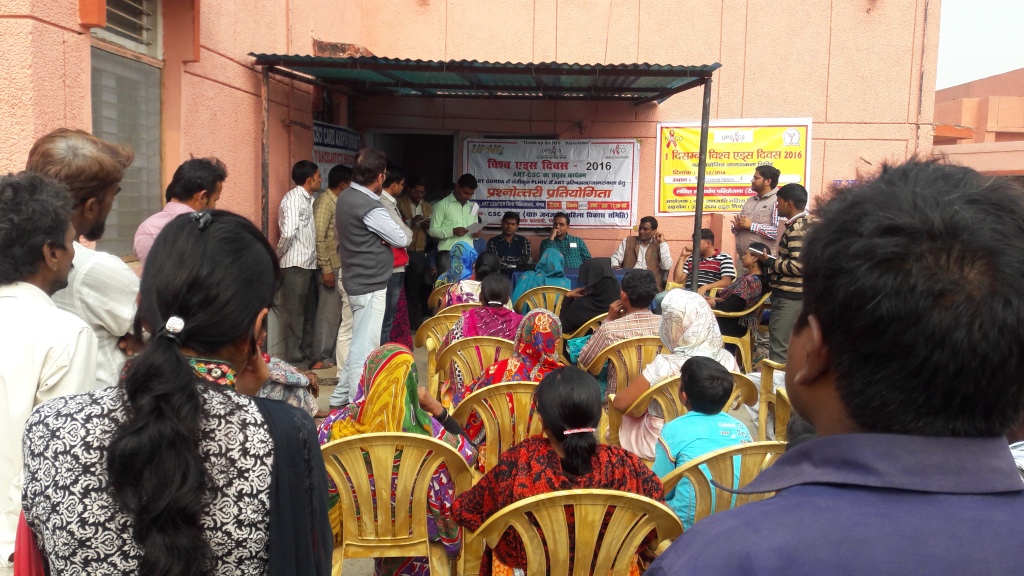
This critical initiative aimed to address the challenges posed by HIV/AIDS within the communities, specifically targeting the vulnerable groups of 500 Female Sex Workers (FSWs) and 400 Intravenous Drug Users (IDUs).
The programme employed a multifaceted approach to combat the spread of HIV/AIDS, focusing on prevention, awareness, and support for high-risk populations.
One of the primary components of the programme was the promotion of condom use. It included the distribution of free condoms and the sale of socially marketed condoms. This initiative not only encouraged safe sexual practices but also made protective measures readily accessible.
Community mobilization played a pivotal role in the programme’s success. By engaging with the target population, the initiative aimed to foster awareness and encourage the adoption of safe sexual and drug usage practices. This approach not only addressed immediate health concerns but also contributed to long-term behavioural change.
The programme also facilitated referral and linkages to promote health-seeking behaviour. This was achieved through a Public-Private Partnership (PPP) model, involving government health centres. By establishing these connections, individuals had access to essential healthcare services, further enhancing the overall well-being of the high-risk groups.
Managing Sexually Transmitted Infections (STIs) was another key focus. The programme worked to reduce HIV infection among high-risk groups by effectively managing STIs, thus preventing them from becoming a gateway to HIV transmission.
Creating an enabling environment was achieved through advocacy efforts, both with positive and negative stakeholders. These activities helped reduce stigma and discrimination, creating a more supportive atmosphere for individuals living with HIV/AIDS.
The programme also introduced a Needle Syringe Exchange Programme, a harm reduction strategy aimed at reducing the transmission of syphilis and HIV. It provided new needles and syringes and collected used ones, reducing the risk of infection.
Behaviour Change Communication (BCC) was an integral part of the programme, promoting good sexual practices and harm reduction among high-risk groups. Through BCC, the initiative successfully influenced attitudes and behaviours, helping individuals make informed choices.
The HIV/AIDS Targeted Intervention Programme was a comprehensive and far-reaching effort to combat the HIV/AIDS epidemic in the Bahraich and Gonda districts. By focusing on prevention, awareness, and support, it played a crucial role in safeguarding the health and well-being of FSWs and IDUs, contributing to the larger effort to control the spread of HIV/AIDS in the region.